

Efficiency of prevention of traumatic rhinitis after endonasal surgery
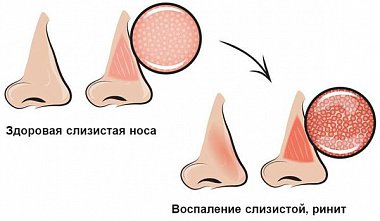
S.Z. Piskunov, L.N. Erofeeva, L.V. Nevalennaya, T.I. Ananyina, Kursk State Medical University. A pressing issue in modern rhinology is the prevention and treatment of traumatic rhinitis, which develops as a result of irritation of the nasal mucosa after surgery on the nasal septum, turbinates, and paranasal sinuses, followed by tamponade. The inflammatory reaction manifests itself as edema, mucosal hyperemia, and inhibition of the transport function of the ciliated epithelium, resulting in the accumulation of secretions in the lumen of the nasal cavity, and the retention and proliferation of microorganisms. To prevent and reduce the manifestations of traumatic rhinitis, we have developed a method for using polymer films with antibiotics. The choice of antibiotics is based on a preliminary study of the nosocomial infection and its sensitivity to antibacterial drugs. The drug of choice was cephalexin, a cephalosporin antibiotic with a high sensitivity rate of nosocomial infections (51-86%). Treatment with cephalexin-containing polymer films was administered to 41 patients who underwent septotomy (15), conchotomy (10), vasotomy (6), and polypoietic thoracic incision (10). Twenty patients were included in the control group with traditional postoperative treatment. Treatment method: 24 hours after surgery, the patients' tampons were removed, the secretion was aspirated, and cephalexin-containing polymer films measuring 2x1 cm were placed on the mucous membrane of the nasal septum and the anterior end of the inferior turbinate. The films were administered for 4-5 days. The effectiveness of treatment was compared in the main and control groups of patients: 1) endoscopic control confirmed a lesser severity of the inflammatory reaction (edema, hyperemia and, especially, accumulation of wound secretion) in the main group; 2) the transport function of the ciliated epithelium was restored faster in the nasal mucosa of the main group of patients; 3) the superficial temperature of the nasal mucosa, measured by a digital electronic thermometer with a point sensor, was lower by 0.4-0.7 °C in the main group of patients than in the control group, indicating a lesser severity of inflammatory manifestations; 4) the rhinometric curve quickly approached the norm.


