

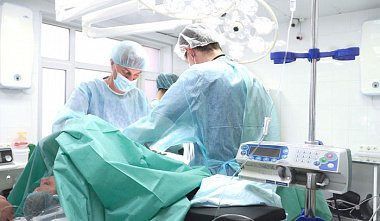
Surgical operations on abdominal organs through the mouth
American surgeons have developed a technique for performing abdominal surgery through the mouth. The technique, developed at Johns Hopkins University, allows access to the abdominal cavity through a tiny incision in the stomach using modern endoscopic equipment. Researchers have tested the new technique, called transgastric peritoneoscopy, on pigs and believe it has potential for medical applications, as it significantly shortens the patient's postoperative recovery period and leaves no cosmetic defects in the form of scars on the anterior abdominal wall. During the experiments, they were able to access internal organs such as the intestines, liver, pancreas, and gallbladder through a 2-millimeter incision in the stomach wall. Researcher Dr. Anthony Colu asserts that this technique is the least invasive of all currently available methods, as it does not require dissection of the skin, subcutaneous tissue, muscles, or peritoneum. The short recovery period is explained by the high regenerative capacity of the stomach wall. British scientists warn that this type of surgery is significantly more dangerous for the patient than traditional procedures involving abdominal incisions or laparoscopes. Dr. David Rozin, president of the Royal Society of Surgeons, stated that while this technique is certainly innovative, it carries many hidden risks. First and foremost, there is the risk of peritonitis due to the potential for gastric juice and the contents of an unsterile stomach to leak into the abdominal cavity.


