

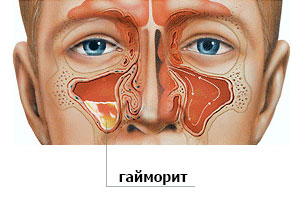
The first results of endoscopic surgical operations in the treatment of chronic purulent sinusitis
R.A. Akmoldiev, M.A. Mukhambetov, Atyrau Regional Hospital, Kazakhstan. The treatment of sinusitis is urgent due to its prevalence, primarily among young working-age individuals, and the severity and variety of complications. Currently, there is a growing trend toward chronic sinusitis. Over the past six months, 207 (30%) of 690 patients discharged from the ENT department of the Atyrau Regional Hospital were diagnosed with rhinological pathology (acute and chronic rhinosinusitis). Traditionally, the ENT department of the regional hospital treated purulent sinusitis with vasoconstrictor nasal drops, intramuscular antibiotics, desensitizing agents, physical therapy, and punctures of the maxillary sinuses followed by rinsing with furacilin solution. In cases where conservative treatment was ineffective, radical antrotomy according to Caldwell-Luc was performed. The last decade has seen the rapid development of minimally invasive techniques in rhinology. This has been facilitated by the introduction of endoscopes into rhinology, the use of specialized instrumentation for endoscopic surgeries, improved preoperative patient examinations thanks to the use of computed tomography technology, and, most importantly, a change in the surgeon's approach to the nasal mucosa and paranasal sinuses. This has not bypassed the Atyrau Regional Hospital. The acquisition of endoscopic equipment has made it possible to widely use minimally invasive endoscopic rhinological procedures in the treatment of chronic purulent sinusitis. Of 207 rhinological patients, radical Caldwell-Luc antrotomy was performed in 30 patients with chronic purulent sinusitis due to the ineffectiveness of conservative treatment. These patients spent 10 days in the hospital. The postoperative period was characterized by high fever for 2-3 days, swelling and pain in the postoperative wound, an elevated ESR, and leukocytosis. Antibiotic therapy was mandatory for postoperative care. A minimally invasive endoscopic rhinological surgery using the Messerklinger method (the goal is to restore natural drainage pathways with minimal changes to the anatomical structures and maximum mucosal sparing) was performed on 33 out of 207 patients with chronic purulent sinusitis, selectively with the patients' consent and absolute indications (targeted drug therapy does not reduce the symptoms). The patients spent 2 days in the hospital postoperatively. The postoperative period was uneventful, with no fever or pain. Nasal lavage with furacilin solution using the displacement method was performed during the postoperative period. Conclusion. In most cases, the duration of the surgery and, accordingly, the patient's burden are relatively short. The postoperative period lasted 2 days.


