

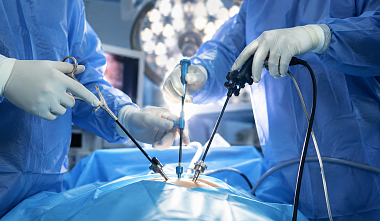
Just a few decades ago, most surgical procedures were associated with large incisions, prolonged hospitalization, and difficult recovery. Today, medicine is developing in a different direction: physicians aim to treat patients as gently as possible while maintaining high surgical efficiency and reducing stress on the body. That is why minimally invasive technologies have become one of the key areas of modern surgery.
For more than 30 years, ElePS has contributed to the development of domestic endoscopy by creating equipment and instruments for diagnostic and surgical procedures. Modern endosurgical systems enable specialists to perform complex procedures accurately, safely, and with minimal tissue trauma.
What Is Minimally Invasive Endoscopic Surgery
Many patients are interested in what minimally invasive surgery is and why it is important for modern medicine. This field refers to surgical procedures performed with minimal damage to tissues. Instead of large incisions, surgeons make small punctures, mini-incisions, or use the body’s natural openings for examination and treatment.
Endoscopic surgery is based on the use of specialized visualization systems. During the procedure, the physician uses an endoscope — a device equipped with a video camera and light source that provides detailed high-resolution images of the surgical field.
While conventional invasive surgery requires wide access to internal organs, modern minimally invasive techniques make it possible to remove pathological tissues with maximum precision and minimal trauma. This is especially important in abdominal surgery, urology, gynecology, thoracic surgery, traumatology, and many other medical fields.
ElePS manufactures a complete range of equipment for such procedures, including endoscopic systems, light sources, surgical instruments, optical components, and additional surgical modules for operating room equipment.
Advantages of Endoscopic Minimally Invasive Surgery
The main advantage of minimally invasive technologies is reduced tissue trauma. During the procedure, the surgeon makes several small punctures instead of a large incision. The smaller the tissue damage, the faster the body recovers after surgery.
Key advantages of minimally invasive techniques include:
- minimal incisions;
- reduced blood loss;
- less postoperative pain;
- lower risk of complications;
- faster return to normal activities;
- improved cosmetic results.
For patients, not only treatment effectiveness matters, but also quality of life after surgery. Modern minimally invasive operations allow patients to return to their normal lifestyle more quickly and shorten the rehabilitation period.
For clinics, these methods are also highly beneficial: they reduce the burden on inpatient departments, improve surgical efficiency, and enhance the quality of medical care.
Another important advantage is the high precision of surgical procedures. Endoscopic cameras provide significant image magnification, enabling physicians to perform interventions with exceptional accuracy even in hard-to-reach anatomical areas.
When Minimally Invasive Treatment Methods Are Used
Today, minimally invasive technologies are used in almost all areas of surgery. These methods are applied both for diagnostics and for complex surgical procedures.
The most common areas of application include:
- abdominal surgery;
- urology;
- gynecology;
- otorhinolaryngology;
- traumatology and orthopedics;
- thoracic surgery;
- neurosurgery;
- gastrointestinal endoscopy.
Minimally invasive treatment may be used for tumor removal, hernia repair, joint pathology treatment, diseases of internal organs, urinary system disorders, and many other conditions.
In some cases, minimally invasive interventions are especially important for patients with chronic diseases, cardiovascular risks, or limited recovery capacity.
Types of Endoscopic Operations and Procedures
Modern endoscopy includes a wide variety of surgical and diagnostic procedures. Depending on the area of intervention, different endoscopic systems and instruments are used.
Laparoscopic Surgery
Performed through small punctures in the abdominal wall. The method is widely used for diseases of the abdominal and pelvic organs.
Thoracoscopic Procedures
Used for diseases of the chest organs. These procedures are performed without extensive surgical access, which is especially important for preserving respiratory function.
Arthroscopy
A minimally invasive method for diagnosing and treating joint diseases. It allows tissue repair with minimal damage to surrounding structures.
Hysteroscopy
Used in gynecology for diagnosing and treating diseases of the uterine cavity.
Cystoscopy and Urological Endoscopic Procedures
Applied for the diagnosis and treatment of diseases of the bladder and urinary tract.
Gastrointestinal Endoscopic Procedures
Endoscopy is used for diagnosing and treating digestive system disorders, including polyp removal, bleeding control, and biopsy collection without open surgery.
ENT Endoscopic Procedures
Used for diseases of the nasal cavity, paranasal sinuses, and upper respiratory tract. The method allows precise surgical manipulations in limited anatomical spaces with excellent visualization of the surgical field.
Preparing a Patient for Endoscopic Surgery
Preparation for surgery begins well before the procedure itself. The physician evaluates the patient’s condition, analyzes examination results, and determines possible limitations.
Standard preparation includes:
- laboratory tests;
- instrumental diagnostics;
- specialist consultations;
- evaluation of concomitant diseases;
- selection of anesthetic support.
Before the procedure, the patient receives detailed recommendations regarding diet, medications, and the recovery period.
How Minimally Invasive Surgical Procedures Are Performed
During surgery, the surgeon makes several small punctures or uses natural access routes to the organs. An endoscope with a video camera, as well as surgical instruments, is inserted through the openings.
The image of the surgical field is displayed on a monitor in real time. High-quality visualization allows the physician to control every action and perform manipulations with high precision.
Depending on the type of procedure, surgery may be performed under general or local anesthesia. After completion, only minimal traces remain on the skin.
Recovery After Minimally Invasive Surgery
The rehabilitation period after endoscopic procedures is usually shorter compared to open surgery. Patients return to physical activity faster and are less likely to experience severe postoperative complications.
Recovery speed depends on the extent of the intervention, the patient’s condition, and compliance with medical recommendations.
Modern Equipment for Endoscopic Surgery
The development of minimally invasive technologies would be impossible without high-quality medical equipment. The accuracy of visualization, procedure safety, and surgeon comfort directly depend on the characteristics of the endoscopic system.
ElePS develops and manufactures modern equipment for diagnostic and surgical endoscopy in accordance with current healthcare industry requirements.
The company pays special attention to:
- reliability of endoscopic systems;
- ergonomic instrument design;
- image quality;
- operational safety;
- service support for medical institutions.
Compliance with the ISO 13485 international standard confirms the high quality and safety level of the company’s products.
Prospects for the Development of Minimally Invasive Technologies in Medicine
Modern surgery continues to evolve toward greater precision, safety, and reduced tissue trauma. Robotic systems, digital visualization platforms, and intelligent image-processing technologies are already being used in medical practice today.
In the coming years, further development of endoscopic equipment, improved optical quality, implementation of automated navigation systems, and expansion of minimally invasive treatment capabilities are expected.
For medical institutions, it is especially important to have a reliable technological partner capable of ensuring stable equipment performance and professional support. ElePS continues to develop domestic solutions in the field of endoscopy, helping clinics implement modern surgical treatment methods and improve the quality of patient care.


