

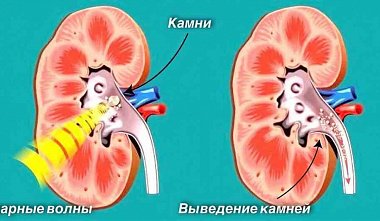
A prospective randomized study comparing shock wave lithotripsy and ureteroscopic lithotripsy in the treatment of patients with upper ureteral stones
Translation: Victoria Anatolyevna Shaderkina, urologist, Severskaya Central District Hospital Outpatient Clinic Author: Ralph V. Clayman Study: Urology 67: 480-484, March, 2006 Study type: Randomized prospective study. In this category of patients, the average stone size was 1.8 cm. The success rate (formation of fragments of 3 mm or less in the ureter and bladder according to intravenous urography and ultrasonography) was 61% and 63% for shock wave lithotripsy (using the Lithostar 2 device) and rigid ureteroscopy (lithoclast, electrohydraulic lithotripsy, ultrasonic lithotripsy), respectively. In the case of rigid ureteroscopy, the results (success and complications) might have been better if a flexible ureteroscope or holmium laser had been used. Furthermore, it's worth considering how much worse the results would have been if CT or CT scanning had been used to evaluate stone passage. While the study authors claim that both methods are comparable, it's significant that hospital stay (4.7 days vs. 1.8 days), pain severity (4.35 vs. 1.86), operative time (109 minutes vs. 43 minutes), and complications (21 vs. 2) were worse in the ureteroscopic group! However, these differences were highlighted by Dr. Figenshau in his editorial commentary. He noted his disappointment with the diminishing effectiveness of second- and third-generation lithotripters. He concluded with the sentence, "If I'm a patient, I hope I can find a urologist with a Dornier HM3 lithotripter."


