

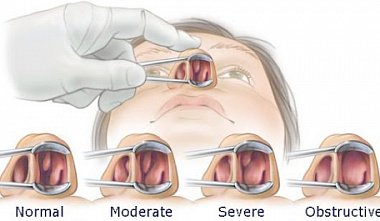
Tactics of postoperative management in patients with nasal obstruction syndrome
A. A. Vorobyov, V. M. Morenko Stavropol State Medical Academy With the development of rhinology, surgical correction of the nasal septum and inferior turbinates in nasal obstruction syndrome remains one of the main treatment methods. At the same time, the problem of postoperative traumatic rhinitis does not lose its relevance. Objective of the study: Increasing the effectiveness of postoperative treatment of patients who have undergone intranasal intervention, reducing rehabilitation periods, improving the patient's quality of life through the use of sorbents with immobilized antibacterial agents in the postoperative period. Research objectives: 1. To study the effect of a sorbent with an immobilized antibacterial drug on the development of microflora in the nasal cavity after surgery. 2. To determine the dynamics of inflammatory changes in the nasal mucosa, the effectiveness of restoration of the main functions of the nose with the use of sorbent therapy and compare with conventional methods of postoperative management. 3. To determine the effect of various postoperative treatment options on the patient's quality of life in the early postoperative period. Research materials and methods: Polysorb (an organosilicon polymer sorbent) and Gelevin (a chemically cross-linked polyvinyl alcohol powder) were used for a comparative evaluation. The study included 70 patients with a deviated nasal septum and chronic hypertrophic rhinitis, who had undergone approximately the same amount of surgical intervention on the nasal septum and inferior turbinates. Patients were divided into three groups according to the randomization protocol. In the control group, anterior nasal tampons were soaked in syntomycin emulsion, and postoperative management was carried out according to the generally accepted method: prolonged anemization, irrigation of the nasal cavity with saline, and ointment applications. The main group was divided into two subgroups. In patients of subgroup "A", gauze nasal tampons (exposure for 1 day) were soaked in Polysorb hydrogel with an adsorbed antibiotic. The antibiotic was selected based on the sensitivity of the nasal microflora cultured preoperatively. Polysorb with antibiotic was then applied to turundas for 15 minutes twice daily for 6 days. In the main subgroup "B," treatment was administered using a similar technique, but with helevin hydrogel as the sorbent. Treatment effectiveness was assessed based on subjective release dynamics, the clinical picture of the disease, and laboratory parameters. The following methods were used to objectively assess the postoperative course: nasal mucus reactivity (NMR) dynamics, radiographic changes in the nasal mucosa, nasal septal mucosa thermometry, common nasal swab microflora and antibiotic sensitivity testing, anterior active rhinomanometry, cytological examination of nasal mucosal smears, and determination of mucociliary transport velocity. When comparing the parameters of the study groups with the control group, the difference in the subjective assessment of postoperative pain and the severity of nasal obstruction was statistically significant. Based on the analysis of the obtained results, it was established that in patients receiving sorbent therapy, compared with the control group, inflammatory changes in the nasal mucosa were less pronounced (p < 0.05), and an accelerated normalization of the rhinoscopic picture was noted. In the study group A, microflora was isolated from the nasal cavity by the second day after surgery in 38% of cases, in group B in 25%, and in the control group in 82%. Ciliary activity in the study subgroups was restored to preoperative levels 1-2 days earlier. An assessment of the paranasal sinuses on the 6th day after surgery revealed negative radiographic changes in 60% of patients in the control group, 17.3% in the main subgroup A, and 11.7% in the main subgroup B. Conclusions: The use of sorbents with immobilized antibacterial drugs helps reduce microbial contamination of the nasal mucosa, has a beneficial effect on the severity of the body's inflammatory response in the early postoperative period, alleviates postoperative rhinitis, and positively impacts patients' quality of life after surgery. The method is simple, safe, does not require an increase in treatment costs, and, at the same time, ensures rapid regression of inflammatory changes and restoration of mucosal function.


