Product added to cart
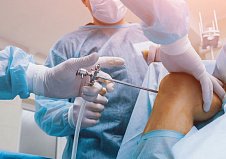
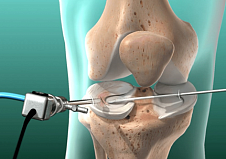
Typically, after arthroscopy, pain, swelling, and effusion in the joint are significantly reduced or disappear, range of motion increases, and functional muscle activity and limb mobility are restored.
A torn and dislocated meniscus causes pain and can cause the knee to lock when the leg is fully extended (the knee does not bend) or to suddenly buckle, causing a person to feel a sharp pain in the joint.
Since the first use of the arthroscope, the idea of ??cleaning joints from non-viable fragments of cartilage, free intra-articular bodies and synovial fluid with lytic enzymes dissolved in it has become firmly established.
Currently, the concept is emerging that the key to successful replacement of cartilage defects is the reversibility of the collagen production process using the culture of the body's own chondrocytes.
Manual intervention reduces surgical time compared to transperitoneal and retroperitoneal approaches, but is more likely to be complicated by hernias. With the transperitoneal approach, patients are discharged from the hospital sooner and return to active activities.
In modern conditions, the diagnosis of acute appendicitis is highly demanding: timely recognition of the destructive process is not enough; it is equally important to avoid unnecessary surgery in cases where there is no destruction.
The correct choice of surgical approach largely determines the success of surgical intervention.
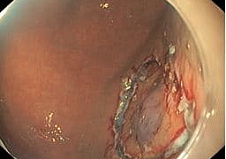
Therapeutic endoscopy is an effective treatment for tumor-related gastric bleeding, achieving stable hemostasis in most cases. The best results have been achieved using hydrodiathermocoagulation and cryocoagulation of the bleeding source.
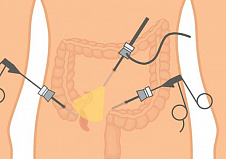
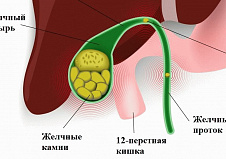
In recent years, minimally invasive interventions have become the method of choice in biliary tract surgery, and the ability to perform both laparoscopic and minilaparotomy surgeries allows these treatment methods to be used in patients of all age groups.
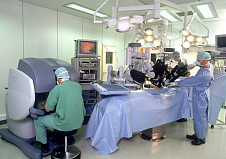
Robot-assisted laparoscopic sacrocolpopexy is a safe and effective treatment for vaginal prolapse. Currently, the follow-up period for patients remains short; longer-term evaluation of the results is needed.